What is the cost of a cricket bat?

Cost of Professional players' cricket bats

What bat does  Shubman Gill bat with in 2023 and the cost their of? He bats with the Ceat Gill 77. The price and the cost of this players’ grade bat is $600 and 49900 Indian Rupees.

What does Virat Kholi’s bat cost and what is the weight of his bat?

Virat Kholi.

The average bat weight is around 1.1 kilograms to 1.4 kilograms; however, in recent IPL, it has been noticed that Virat Kohli uses a bat weighing 1.15 kg, and his bat costs around $324 and  27,000 rupees.

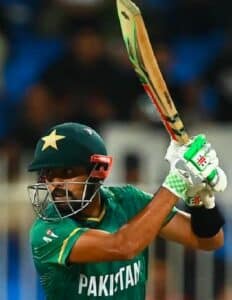
Babar Azam is batting with what  Cricket bat?

Babar Azam

He is using an Gray Nicolls Vapor 1.35 Star Cricket Bat and is Mr. consistent for Pakistan and currently their rock of their batting line up in all cricket formats.

Glenn Maxwell is batting with which bat in 2023/2024 season?

Maxwell wields the formidable Kookaburra Beast Pro Cricket Bat, renowned for its explosive power and precision.

What records did Glenn Maxwell break?
Glenn Maxwell’s phenomenal 201* outshone Shane Watson’s 185* against Bangladesh in 2011. In the history of ODI run-chases, Maxwell’s 201* stands as the highest individual score, beating Pakistan’s Fakhar Zaman, who smashed 193 against South Africa in 2021.
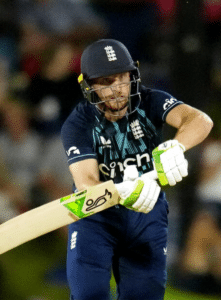
What bat does Jos Buttler bat with?
Josh Butler batting for England.
Boasting an Intimidating full profile, Jos Buttler’s Kahuna is primed for that short format specialist. This Kookaburra Players Replica bat features a standard toe shape and an oval handle fitted with Jos’s favorite Grip. All Kookaburra Players Replica bats are made to the exact standards of the cricket world’s best.
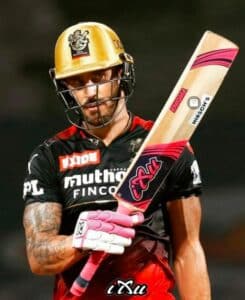
What cricket equipment and bat does Faf du Plessis use?
Faf Du Plessis
The Enigma IXU Cricket Bat, IXU Enigma Pads, IXU Enigma Gloves, Masuri E Line Titanium Helmet, and Puma EvoSpeed cricket Shoes.
What IPL team does Faf Du Plessis play for?
Royal Challenger Bangalore and he captains the team as well.
Which bat does AB de Villiers use?
AB De Villiers
The MRF 360  English Willow Cricket Bat. This is new series bat from MRF company which is Endorsed by South African Cricket Player AB de Villiers. Curved sharp spine creates balanced driving power with responsive feel.
Which bat is used by Kane Williamson?
Gray Nicolls Delta Players Edition Bat.
Which bat does (Sky) Suryakumar Yadav use?
The SS SKY Original Cricket Bat to unleash his power and precision at the crease.
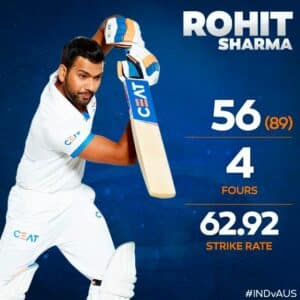
Which bat does Rohit Sharma use?
Rohit Sharma
CEAT – HITMAN ENGLISH WILLOW CRICKET BAT.
 
Which bat does KL Rahul use?
SG KLR 1 English willow cricket bat.
Which bat does Dhoni use?
MS Dhoni.
Ms Dhoni Spartan Seven English Willow Cricket Bat. He also batted with Reebok earlier in his career and won the ODI world cup for India with his Reebok bat in hand.


The Ultimate Guide to Selecting and Pricing of a cricket bat.

Introduction:

Cricket, often referred to as the gentleman’s game, is a sport deeply rooted in tradition and skill. One of the key elements for any aspiring cricketer is the selection of the right cricket bat, with English willow being the preferred choice for many. In this guide, we will explore the factors influencing the cost of a cricket bat, discuss what constitutes a reasonable price, and delve into the crucial aspects of quality and affordability.

Understanding the Basics: Cricket bats are typically made from two types of wood: English willow and Kashmir willow. English willow, derived from the Salix alba caerulea tree, is renowned for its superior quality and performance. The demand for English willow bats is high due to the wood’s natural characteristics, including a lightweight feel, better power transfer, and excellent shock absorption.

Price Range: The cost of a cricket bat can vary significantly, with factors such as brand, model, and grade of willow influencing the price. For an English willow cricket bat, you can expect to pay anywhere from $100 to $500 or even more, depending on the brand and the specific characteristics of the bat. High-end brands and professional-grade bats tend to be at the upper end of this range.

Affordability: Affordability is a crucial consideration, especially for amateur players or those on a budget. While it’s tempting to invest in a top-of-the-line bat, there are excellent options available at more reasonable prices. Brands like Gray-Nicolls, Kookaburra, and Gunn & Moore offer a range of English willow bats at different price points, making it easier for players to find a bat that suits both their skills and budget.

Comparison: When comparing bats, it’s important to look beyond price alone. Consider factors such as the grade of English willow, the bat’s weight and balance, the size of the sweet spot, and the overall craftsmanship. Higher grades of willow, such as Grade 1 or Grade A, will generally command a higher price due to their superior quality. However, bats with slightly lower grades can still offer excellent performance and durability.

Quality: The quality of the English willow is paramount in determining the performance of the cricket bat. Higher-grade willow is often more responsive, providing better power and control. However, the grading system can be subjective, and a Grade 2 bat from a reputable brand may outperform a Grade 1 bat from a lesser-known manufacturer. It’s crucial to consider the brand’s reputation, user reviews, and any additional features that contribute to the bat’s overall quality.


Cost of cricket bats: From Entry-Level to Professional Grade

Cricket enthusiasts, whether new to the game or seasoned players, understand the pivotal role a quality bat plays in shaping their performance. In this guide, we’ll explore the diverse landscape of English willow cricket bats, catering to the needs and preferences of entry-level players, club cricketers, and those in pursuit of professional excellence.

Bat Profiles and Prices:

  1. Entry-Level Bats (Price Range: $100 – $200):

    • Brands to Consider: Gray-Nicolls, Kookaburra, Gunn & Moore
    • Wood Grade: Typically Grade 3 or 4 English willow
    • Key Features: Entry-level bats prioritize durability and affordability. These bats often feature a thicker profile, providing a larger sweet spot and forgiving mishits. Lighter in weight, they are ideal for beginners developing their skills.
  2. Club Cricketer Bats (Price Range: $200 – $400):

    • Brands to Consider: New Balance, SS, SG
    • Wood Grade: Varied, ranging from Grade 2 to Grade 4
    • Key Features: Club cricketer bats strike a balance between performance and affordability. With a moderate profile and a well-defined sweet spot, these bats offer a blend of power and control. They cater to players looking for a bat that can withstand the rigors of regular play.
  3. Professional-Grade Bats (Price Range: $400 and above):

    • Brands to Consider: Adidas, Gray-Nicolls Prestige, Gunn & Moore Player Edition
    • Wood Grade: Grade 1 and Grade A English willow
    • Key Features: Professional-grade bats are the pinnacle of craftsmanship and performance. Meticulously handcrafted, these bats boast a refined profile, often with a lower sweet spot for exceptional power. Lightweight and responsive, they are the choice of elite players seeking the best possible tool for their trade.

Considerations for Each Category:

  • Entry-Level: Beginners benefit from a forgiving bat with an emphasis on durability. Look for a mid-to-high sweet spot for ease of strokeplay and a manageable weight to aid in control and technique development.

  • Club Cricketer: As players progress, a bat with a balanced profile becomes crucial. Seek a bat with a well-defined sweet spot, catering to different playing styles. Weight distribution and handle comfort are essential for prolonged innings.

  • Professional: For the serious cricketer, investing in a Grade 1 or A bat is worthwhile. Focus on a bat with a refined profile, excellent balance, and responsiveness. Customization options may also be available to suit individual preferences.


What is the cost to manufacture a cricket bat?

The cost to manufacture a cricket bat can vary based on several factors, including the quality of materials used, the manufacturing process, labor costs, brand reputation, and additional features. Here’s a breakdown of the key components influencing the manufacturing cost of a cricket bat:

  1. Willow Grade:

    • The primary material for cricket bats is willow, either English willow or Kashmir willow. English willow, known for its superior quality, tends to be more expensive than Kashmir willow. The cost of the willow itself can range significantly depending on the grade, with higher grades commanding higher prices.
  2. Bat Design and Shape:

    • The design and shape of the bat can impact the manufacturing cost. Bats with intricate profiles, specific sweet spot placements, and unique shapes may require more time and precision during manufacturing, affecting the overall cost.
  3. Manufacturing Process:

    • The manufacturing process involves various stages, including shaping, pressing, sanding, and finishing. Handcrafted bats, which involve skilled labor, tend to be more expensive than machine-made bats. The level of craftsmanship, attention to detail, and the use of advanced technologies can also influence the overall cost.
  4. Brand Reputation:

    • Established brands with a strong reputation for quality and performance may charge a premium for their bats. The brand’s investment in research and development, quality control, and marketing can contribute to the overall cost of manufacturing.
  5. Additional Features:

    • Some cricket bats come with additional features such as anti-scuff sheets, toe guards, or pre-knocked-in surfaces. These features can add to the production cost but may enhance the durability and performance of the bat.
  6. Labor Costs:

    • The cost of skilled labor involved in the manufacturing process is a significant factor. Handcrafted bats require skilled craftsmen who may command higher wages, contributing to the overall cost.
  7. Quality Control:

    • Brands that invest in rigorous quality control measures may incur higher costs to ensure that each bat meets the specified standards. This includes checking for grain structure, weight distribution, and overall performance.
  8. Customization:

    • Bats that offer customization options, such as choosing the weight, handle type, or specific blade characteristics, may have a higher manufacturing cost due to the additional effort required to meet individual specifications.

It’s challenging to provide an exact figure for the manufacturing cost of a cricket bat, as it varies widely based on the factors mentioned above. However, as a rough estimate, the cost to manufacture a basic cricket bat with standard features may range from $20 to $100, while high-end, handcrafted professional bats can cost several hundred dollars or more. Keep in mind that these figures are approximate and can fluctuate based on market conditions and individual brand strategies.

Conclusion

In conclusion, selecting the right English willow cricket bat involves a careful balance between price, affordability, comparison, and quality. While there are high-end options available for serious players, there are also affordable alternatives that provide excellent performance for amateur cricketers. Ultimately, the best bat for you will depend on your playing style, budget, and personal preferences. Take the time to research and test different bats, keeping in mind the factors discussed in this guide, to make an informed decision that enhances your cricketing experience.

Navigating the realm of English willow cricket bats involves understanding your playing level, budget constraints, and performance expectations. By considering the specific profiles and price ranges outlined for entry-level, club cricketers, and professional players, you can make an informed decision that aligns with your cricketing journey and aspirations. Happy batting!


Rate these Cricket Bats >